
Description
B vitamins are quickly used by your body when you are under more stress or exerting more energy. B vitamins are quickly used up by stress, caffeine, and alcohol. Digestive issues, nutrient-poor diets, and numerous medications including hormone replacement therapy (HRT), Metformin, hormonal birth controls, antibiotics, antidepressants, inhalers, and diuretics can deplete B vitamins. B Vitamins work together and are essential for healthy brain function and energy metabolism. B vitamins are water-soluble and are not stored in the body, so we must replenish them daily. Wellness Resources uses 100% natural coenzyme forms of B-vitamins — the methylated form which is the most absorbable B vitamins you will find! Wellness Resources Super Coenzyme B-Complex is a high-quality supplement to naturally improve energy and stress tolerance, as well as supporting a positive mood, healthy hair, and digestion. Feel the energy difference.*
- Improve energy production*
- Offset the wear and tear of stress*
- Support homocysteine metabolism*
- Improve hair strength and mood*
- 100% coenzyme b-vitamin forms (methylated)
- With folate, highly absorbable coenzyme folic acid
An easy way to determine the quality of B vitamins is to look at the form of vitamin B12 on the supplement facts panel. The low quality form of vitamin B12 is called cyanocobalamin. This type of B12 is not absorbed well, plus it actually produces cyanide that your body needs to clear out! Wellness uses only the highest quality forms of vitamin B12, methylcobalamin and adenosylcobalamin. These forms of B12 are readily absorbed and put to work.*
Stress, Energy, Mood
Stress implies an increased need for energy. B vitamins are essential organic substances required as cofactors for the production of energy. Super Coenzyme B-Complex contains only fine-quality B vitamins in highly absorbable forms. Unlike other lower quality B complex products, our product features coenzyme folic acid and coenzyme B12, along with serine and trimethylglycine a synergistic combination of nutrients to assist the clearance of homocysteine and promote the synthesis of SAMe (an important brain nutrient). These nutrients support a good mood and stress tolerance.* Super B-Complex helps you combat stress on the front-end and the back-end. On the “front end” of stress demands is having the energy to cope, adapt, and maintain a positive mental attitude. On the “back end” of this equation is having the nutrients required to assist in the clearance of wear and tear generated by common stress. We now know this requires the proper clearance of homocysteine.*
Homocysteine Clearance
Homocysteine is formed when the essential amino acid methionine is metabolized. It is either recycled back to methionine to be used again (requiring coenzyme B12 methylcobalamin, folate, and TMG) or it is sent on a degradation pathway (requiring coenzyme B6 pyridoxal 5′ phosphate and serine). The inability to properly clear homocysteine creates free radical distress, adding to wear and tear in the circulatory and nervous systems.* Elevated homocysteine has been shown to interfere with normal neurotransmitter function, contributing to the poor mood, fatigue, and the wear and tear feeling of stress. Super Coenzyme B-Complex helps improve stress tolerance and mood.*
B Vitamins Work Together
B vitamins work synergistically together and supplemental intake must be balanced with one another. Supplementing with all B vitamins together in a multiple vitamin or b complex supplement is best. Beware, many supplements and fortified foods contain synthetic, low-quality forms of B vitamins. In addition to improving symptoms relating to mood, energy and stress, according to research, B vitamins support many vital body functions. Here are just a few: B1 – helps to convert glucose, proteins and lipids into energy, playing an essential role in metabolism; B2 – also helps convert nutritients into energy and provides antioxidant activity; B3 – plays a role in DNA repair, cellular signalling and metabolism; B5 – helps produce hormones and converts proteins, carbohydrates and fatty acids to energy; B6 – helps to metabolise amino acids and supports neurotransmitters and red blood cells’ production; B7 – relates gene expression and is required for metabolism of fat and carbohydrates. It is also important for healthy hair and skin; B9 – is vital for cell growth, amino acid metabolism, production of red and white blood cells, healthy cell division. and proper mental growth and development; B12 – is important for neurological function, development of red blood cells, production of DNA, and promoting healthy homocysteine levels. B vitamins are critical to the function of every cell in the body. B vitamins play essential roles in energy production, mood, detoxification, neurotransmitter production, thyroid function, brain health, skin and hair health, immunity, heart, lungs, liver health, and more. Here’s how to detect the high-quality forms of B vitamins that will make a difference in your health! 1. The Coenzyme Difference – Coenzyme B vitamins are easy to absorb and already in the exact form your cells need, a major metabolic advantage. These high-quality B vitamins cost more than the inactive forms most often used in supplements, but they make a huge difference to your energy and health. Inactive forms of B vitamins must have energy (ATP) donated to convert them into a bioactive form and make them useful. This process may not be efficient in people who are already stressed or short on energy, thus they won’t feel any better from taking non-coenzyme B vitamins. A quick way to tell if your multiple vitamin contains coenzyme forms of B vitamins is to look at vitamin B12. If it is cyanocobalamin, the company is cutting corners on quality. If the product label doesn’t list the exact forms of b vitamins, you can assume it contains the low quality forms – otherwise, the company would want to tell you about it! 2. Avoid Cyanide – Cyanocobalamin is the most popular form of vitamin B12 found in enriched foods and low quality nutritional supplements because it is a fraction of the cost of the bioavailable coenzyme forms of B12, called methylcobalamin and adenosylcobalamin. Cyanocobalamin is a synthetic form of vitamin B12. In fact, as it is metabolized it actually produces cyanide, which your body then needs to use precious energy clearing out!
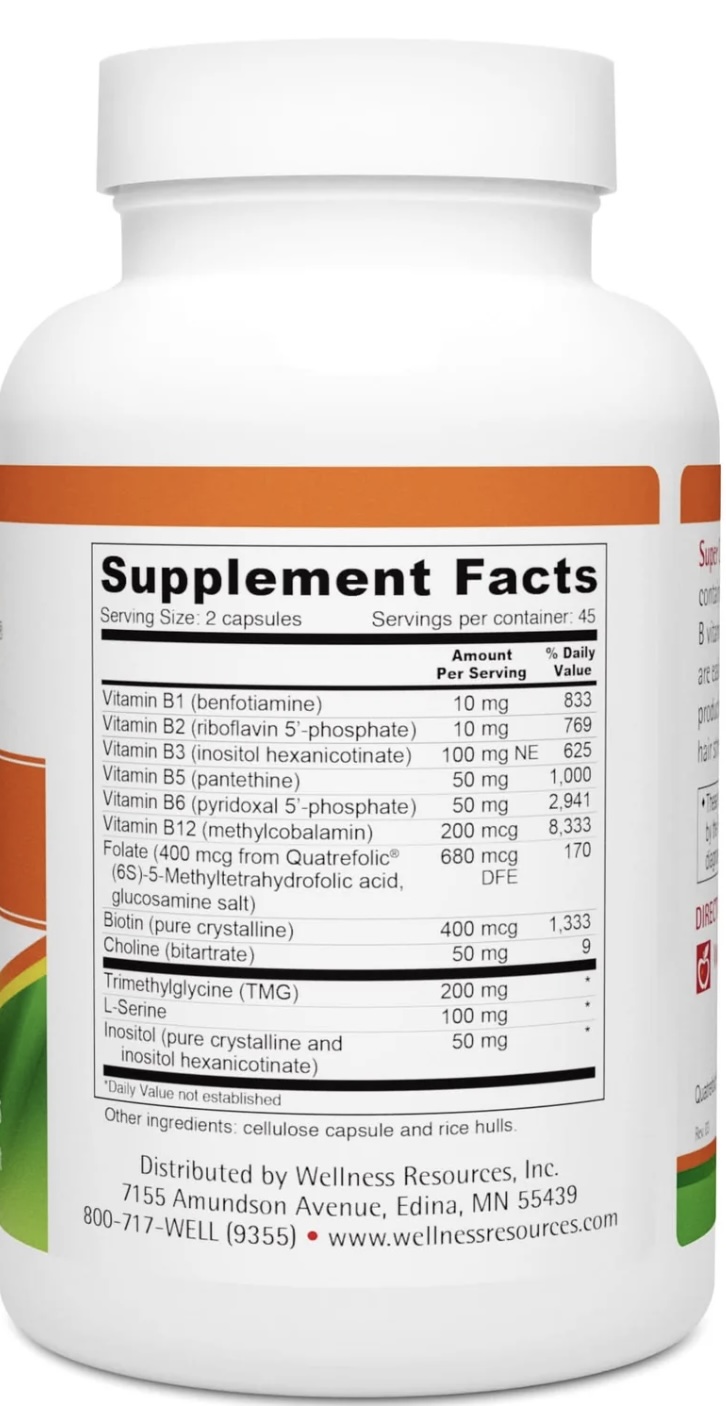
Supplement Facts
Serving Size: 2 capsules Directions: Take 1-2 capsules, up to three times per day.
Quality Support for Higher Needs
B vitamins are essential for daily function, but relying on fortified foods with synthetic, petroleum-derived B vitamins is not the answer to replacing these essential nutrients.
B1, Thiamin
Vitamin B1, or thiamin/thiamine, is required for energy, stress tolerance, appetite and satiety, sleep, cognitive function, peripheral nerve health, heart function and rhythm, mitochondrial activity, muscle function, and blood vessel health. It is especially critical for converting carbohydrates into glucose and energy. Vitamin B1 is known as neurotropic B vitamin as it is critical for neurological function. It is required to meet repair needs from daily metabolic wear and tear and to maintain neurological function across the brain, spinal cord, autonomic nervous system, peripheral nerves, and small nerve fibers. Furthermore, thiamin is essential for the production and maintenance of myelin (the insulation layer around nerves) and the synthesis of acetylcholine, GABA, and other neurotransmitters. Thiamin requires magnesium as a cofactor to become bioactive. Thiamin is depleted by chronic alcohol use, high carbohydrate diets with refined grains, sugars, and other ultra-processed foods, gluten-free and ketogenic diets. The need for thiamin increases with gastric bypass, autonomic nervous system stress, or other malabsorption concerns. The best dietary sources are whole grains, pork, and fish.
Vitamin B2, Riboflavin
Vitamin B2, or riboflavin, is vital for mitochondrial electron transport chain function involved in energy production in all cells. Bioactive forms of riboflavin synthesize vitamin B3, B6, B9, and red blood cell proteins. Riboflavin also works with vitamin B6, B9, B12 to process homocysteine, supporting cardiovascular health. In addition, it plays a role in regenerating glutathione, the body’s master antioxidant. Like thiamin, riboflavin is required for converting carbohydrates, fats, and proteins into glucose and energy. It acts as an antioxidant and is essential for mitochondrial, immune, kidney, and nervous system function. Furthermore, vitamin B2 is involved with the health of hair and skin, tongue, lips and mouth, red blood cells, eyes (retina and lens), metabolism of iron, stress and sensory tolerance, neurodevelopment and growth, and more. High amounts of receptor sites for riboflavin are found in the brain, pancreas, liver, and muscles, with lesser amounts in the rest of the body. Restrictive diets, pregnancy, aging, weakened immune function, alcohol use, and exercise increase vitamin B2 needs. Foods rich in riboflavin include eggs, dairy products, meat, fatty fish, mushrooms, green vegetables, and almonds.
Vitamin B3, Niacin
Vitamin B3, or niacin, is metabolized from the amino acid tryptophan and converted into NADH and NADPH enzymes associated with energy production. It also supports DNA repair, cholesterol metabolism. It helps make energy from carbohydrate intake and is required for serotonin production with vitamins B2, B6, and iron. The brain, gut, and skin have high requirements for niacin and are the most sensitive to insufficient intake. Niacin is needed for skin quality, cognitive and memory function, blood vessel health and circulation, oral and gut health, hearing, mitochondrial function, cellular repair, and more. Inadequate intake is linked with telomere erosion, which accelerates aging. Niacin is depleted by alcohol, certain medications, malabsorption, and eating disorders. Foods rich in niacin include tuna, chicken, pork, beef, portabella mushrooms, brown rice, peanuts, avocados, green peas, and sweet potatoes.
Vitamin B5, Pantethine
Vitamin B5, or its bioactive form pantethine, is a precursor to coenzyme A (CoA), crucial for energy and acetylcholine production. Pantethine and CoA are required for metabolic burning of fat, carbohydrate, and amino acids. Pantethine aids blood sugar balance, mitochondrial function, and cholesterol metabolism. It also is required for hair quality and growth, coordination, adrenal gland function, muscle strength, mitochondria, joint comfort, GI tract health, and stress tolerance. Vitamin B5 is depleted by alcohol, smoking, gastric bypass, poor absorption, and diets with ultra-processed foods. Foods that provide vitamin B5 include shiitake mushrooms, salmon, avocados, chicken, beef, pork, sunflower seeds, whole milk, sweet potatoes, and lentils.
B6, Pyridoxine
Vitamin B6, or pyridoxine, is used to metabolize carbohydrates, proteins, and fats for energy production and maintaining brain and nervous system function. As a neurotropic B vitamin, it is required for daily nervous system repair. It is needed to make neurotransmitters serotonin and dopamine, and the sleep hormone melatonin. B6 is important for metabolizing oxalic acid, helping reduce oxalate buildup. It is required for homocysteine metabolism and protects the endothelial lining in vascular health. Vitamin B6 also supports women’s health, as well as brain and nerve health, eye health, mood, skin and hair, mouth, lips, sleep, red blood cell formation, and more. The bioactive, non-toxic form is pyridoxal-5-phosphate. The synthetic form, pyridoxal HCl, may cause nerve injury when taken in high amounts. Alcohol, poor digestion and malabsorption, pregnancy, and numerous medications such as birth control and HRT increases the need for B6. Vitamin B6 is found in beef, poultry, starchy vegetables, and non-citrus fruits.
Vitamin B7, Biotin
Vitamin B7, or biotin, is essential for the metabolism of protein, fats, and especially carbohydrates, while supporting mitochondrial function. It affects gene regulation, cell signaling and replication working in tandem with vitamins B5, B9, and B12. Biotin supports immune system function, hair, skin, and nail health, balance and coordination mood, and nerve comfort. High carbohydrate diets, alcohol intake, and various medications increase the need for biotin. Biotin is found in organ meats, eggs, fish, seeds and nuts. Note: Biotin can interfere with certain lab tests (thyroid, vitamin D, and troponins). Avoid biotin containing supplements 72 hours prior to testing and consult your practitioner or lab personnel for more information.
Vitamin B9, Folate
Vitamin B9, or folate, is required for red blood cell formation, cell repair and division, homocysteine metabolism, and cardiovascular health. It is critical for neurodevelopment, neurological function, and neurotransmitters dopamine, serotonin, norepinephrine, and acetylcholine synthesis. It supports mood, cognitive function, and aging well and helps keep the brain from getting stuck in negative behavior and rumination. Furthermore, folate is essential for skin, hair, and nail health, energy, mitochondria, telomere protection, and more. Folate is the natural, active form found in foods and coenzyme supplements. Folic acid, the synthetic form used in fortified foods, is poorly absorbed and can raise concerns. Poor diet, alcohol use, malabsorption, and methylation genetic variations (SNPs) may increase folate needs. Foods rich in folate include dark green leafy vegetables, asparagus, brussels sprouts, broccoli, avocados, with lesser amounts in mango, citrus, corn, nuts, beans, lentils, dairy, meat, and poultry.
Vitamin B12, Cobalamin
Vitamin B12, or cobalamin, is another neurotropic B vitamin. It is required for neurological function, myelin sheath formation, DNA and RNA synthesis, and production of red blood cells. It also plays critical roles in homocysteine and cholesterol metabolism. Vitamin B12 supports energy production, nervous system structure and function, pregnancy and fetal development, and telomere protection. Alcohol, acid blocking drugs, and other medications deplete or interfere with B12 absorption. Pregnancy, breastfeeding, older age, plant-based diets, digestive disorders, methylation gene SNPs, and malabsorption also increase the need for vitamin B12. Vitamin B12 is found in animal protein. Plant-based diets do not contain vitamin B12, unless the food is fortified with B12. Adequate stomach acid is required to release vitamin B12 from animal proteins.